
Most traders spend too much time searching for better entries and almost no time improving the tools behind their decision-making.
That usually becomes obvious during losing streaks.
A trader enters a setup late because they missed a news release.
They oversize a position because they guessed pip value incorrectly.
They revenge trade because there is no journaling process keeping them accountable.
Then they blame the strategy.
In reality, the problem is often operational, not technical.
After years around active traders, one thing becomes very clear:
Good trading is rarely just about reading charts well.
It is about building systems around execution, risk management, preparation, and emotional control.
The best forex traders eventually become process-oriented. They stop relying on memory, intuition, or random market reactions and start building structured workflows supported by tools that remove unnecessary mistakes.
That does not mean filling charts with indicators or paying for expensive software subscriptions that create more confusion than clarity.
It means using the right tools at the right stage of the decision-making process.
This guide breaks down the best forex tools for day traders, why experienced traders rely on them, and how the right tools quietly improve consistency far more than most traders realize.
Because most traders do not fail from lack of information.
They fail because their execution process becomes emotionally unstable under pressure.
Why Professional Traders Depend on Tools More Than Beginners Realize
Many beginner traders think tools are shortcuts.
Experienced traders know they are safety nets
Research from CFA Institute on behavioral finance regularly demonstrates that the quality of decision-making deteriorates when under emotional duress, particularly in the fast-moving world of finance.
That matters right away in daytrading.
The more rapid the markets become, the more traders rely on procedures and systems instead of emotional judgment.
According to research from NASDAQ Market Research, active market sessions bring operational pressure because of volatility, liquidity fluctuations and fast execution circumstances.
Meanwhile, educational research from CME Group Education repeatedly emphasizes that disciplined risk control and trade management matter more than isolated trade predictions over long sample sizes.
Experienced traders understand this naturally over time.
The goal is not just finding setups.
The goal is creating an environment where good decisions become easier to repeat consistently.
That is what the right forex tools actually help with.
The Most Important Forex Tool Is Usually the One Traders Ignore
Most traders expect the answer to be a charting platform or indicator.
Usually it is risk management software.
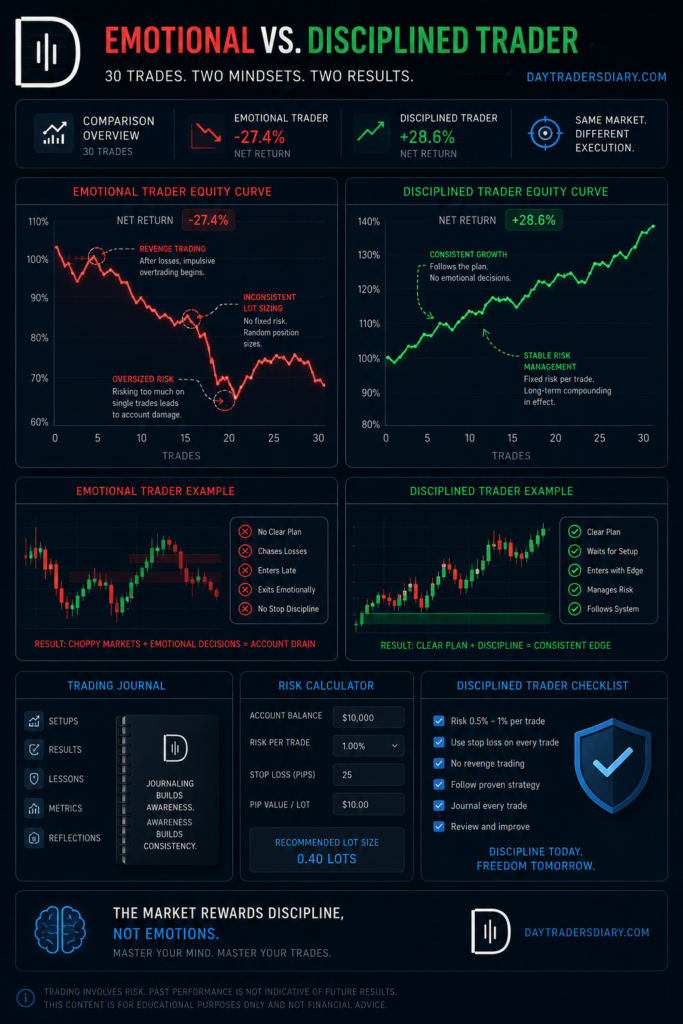
A trader can have an excellent strategy and still destroy an account because position sizing changes emotionally between trades.
One trade risks 0.5%.
The next risks 3%.
Another becomes oversized because confidence increased after a winning streak.
That inconsistency slowly damages both account performance and psychology.
This is why experienced traders rely heavily on a Position Size Calculator.
Not because the math is hard.
Exposure ceases to be consistent. Emotional decision-making therefore becomes risky.
A structured calculator rapidly removes guessing by helping traders standardize:
Pip value exposure.
Stop-loss risk.
Account percentage risk.
That consistency creates calmer execution.
And calmer execution usually improves strategy performance over time.
Why Economic Calendars Matter More Than Most Traders Think
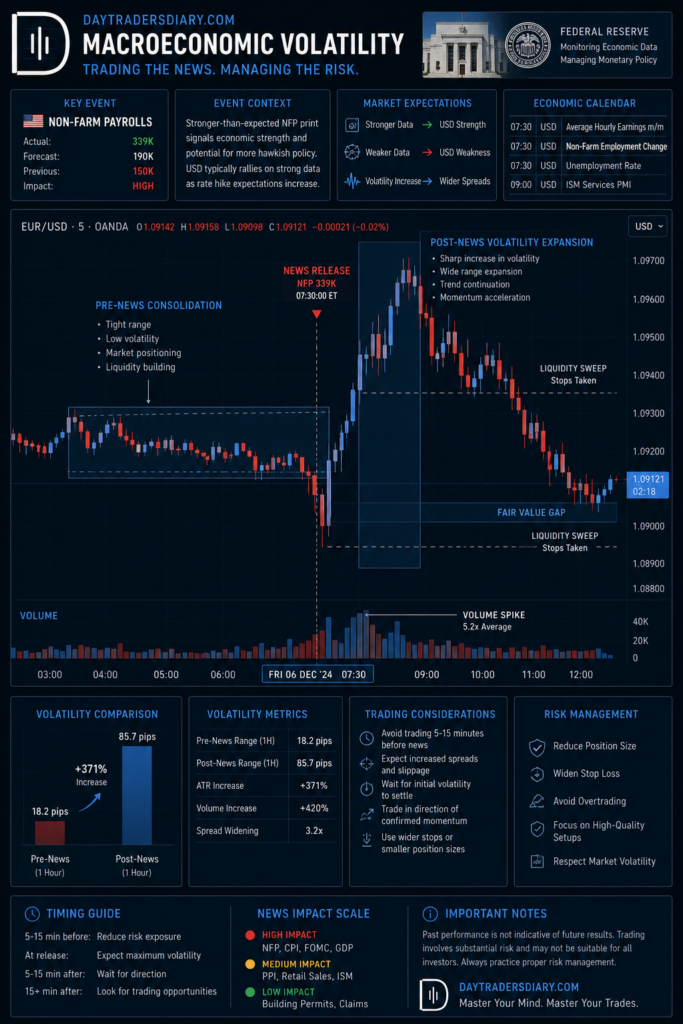
A surprising number of traders still enter setups without fully understanding what macroeconomic events are approaching.
Then volatility spikes unexpectedly and they blame manipulation.
Professional traders respect scheduled volatility.
Tools like the Forex Factory Economic Calendar or the Investing.com Economic Calendar help traders prepare for:
Interest rate changes.
CPI Publications.
NFP data.
Central bank talks.
High-impact macroeconomic events
Experienced traders do not necessarily avoid volatility.
But they understand it beforehand.
That preparation changes execution quality dramatically.
For example, a breakout setup minutes before Non-Farm Payrolls behaves very differently from a breakout during normal session liquidity.
The setup may look identical technically.
The risk environment is completely different.
Why Charting Platforms Are About Clarity, Not Complexity
Most traders overload their charts eventually.
Too many indicators.
Too many alerts.
Too many conflicting signals.
Then decision-making slows down.
Experienced traders usually simplify their charting environment over time.
Platforms like TradingView became popular partly because they allow traders to organize market structure, liquidity zones, session timing, and execution levels clearly without unnecessary clutter.
The important part is not the platform itself.
It is how the trader uses it.
Good traders eventually realize charts should improve clarity, not create noise.
Most profitable day traders narrow their focus instead of endlessly adding more tools.
That idea connects directly with many related DayTradersDiary.com articles discussing trading psychology, execution discipline, and market structure consistency.
Why Session and Volatility Tools Quietly Improve Timing
Many struggling traders do not actually have bad setups.
They have bad timing.
A strategy that works well during London or New York open conditions may fail repeatedly during slow low-volume periods.
This is where session tools and volatility trackers become valuable.
Experienced forex traders watch closely:
London open liquidity .
New York volatility overlap.
Asian session ranges.
Average daily range conditions.
A trader can understand the market situation support for their approach through session indicators and volatility measuring tools.
That awareness prevents a lot of unnecessary trades.
One of the biggest shifts developing traders eventually make is realizing that market conditions matter just as much as technical setups.
Why Trade Journaling Is the Real Performance Tool
Most traders don’t journal enough since it’s not as sexy as analyzing charts.
But this is where much of the progress is seen in journaling.
Without organized reviews, traders would be repeating the same mistakes for months without realizing it.
A good notebook keeps account of:
Reason for trade.
Exposure to risk.
Emotional conduct.
Quality of execution.
Terms and conditions of session.
Rules infractions.
Patterns are visible throughout time.
Some traders discover they are overtrading after a loss.
Some find they do worse in some sessions.
They realize they get impetuous during winning streaks.
These insights are not easy to see unless they are written down.
Using a structured Trade Journal Template helps traders separate emotional reactions from actual performance patterns.
The traders who improve fastest are usually the ones willing to review themselves honestly.
Why Replay and Backtesting Tools Build Confidence
Many traders confuse time in front of a screen with practice.
They watch the markets for hours, but they don’t really get into behaviour.
This difficulty is solved by replay tools and backtesting software.
Traders can study: replay-enabled platforms
Breakouts Don’t Work.
How liquidity sweeps are assembled.
How trends react around the session opens.
What emotional entry look like during quick markets.
This form of organized review gets you familiar with the market far faster than random live trading.
Veteran traders typically go back and look at earlier sessions, to see where they made mistakes in a calm and dispassionate way.
It is not an aim to memorize patterns.
It is comprehension of behaviour.
This difference is important.
Why News and Sentiment Tools Help Traders Stay Objective
Most traders eventually realize that technical setups do not exist in isolation.
Market sentiment matters.
Macro conditions matter.
Central bank expectations matter.
Risk sentiment matters.
Tools like Bloomberg, Reuters Markets News, and institutional forex commentary help traders understand the broader environment surrounding price movement.
This doesn’t imply reacting emotionally to every headline.
It implies comprehending the context.
For instance:
A big technical breakout right before a significant Federal Reserve statement entails a different risk profile than the same breakout under quiet market conditions.
Experienced traders know that follow-through is often determined by context.
Why Serious Traders Eventually Focus on Efficiency
At some point, disciplined traders stop chasing excitement and start focusing on efficiency.
What they want:
Steady performance.
Controlled exposure.
Structured review.
Scalable performance
That transition tends to lead traders to aggressively examine situations where discipline is more important than gambling behavior.
The5ers, FTMO, TradeThePool and similar firms all focus on systematic risk management and performance based on consistency.
That structure helps traders who have already built disciplined habits using proper tools and procedures.
A trader that uses risk calculators, journaling systems, session planning and structured review generally adapts much better to funded trading situations than traders that operate emotionally without process control.
For disciplined traders looking to scale responsibly, a The5ers evaluation account can become a logical next step because it rewards consistency rather than reckless short-term performance.
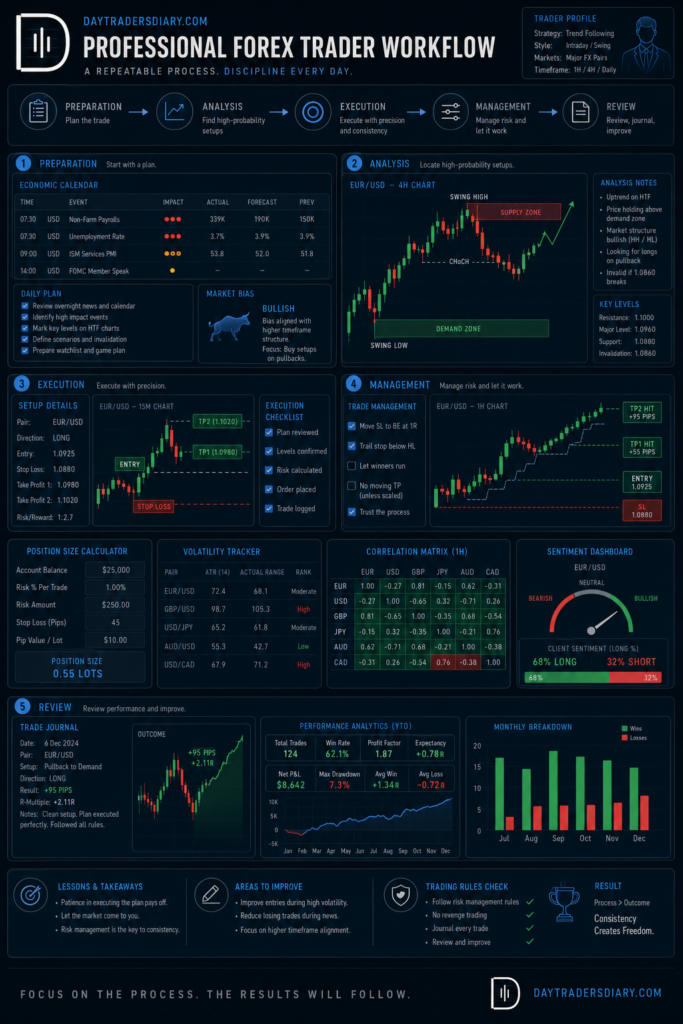
The Best Forex Tools Are the Ones That Reduce Emotional Mistakes
Most traders search for tools that predict the market better.
Experienced traders usually search for tools that help them execute more consistently.
That is a completely different mindset.
The best forex tools for day traders are usually the ones that improve:
Risk management.
Making Ready
Quality control.
Delivery consistency.
Emotional self-regulation.
Look at your own process honestly this week.
What aspects of your trade are still too much influenced by emotion, memory or impulse?
And that answer often tells you what tool you actually need next.
You may also be interested in other articles on DayTradersDiary.com on forex risk management, trading psychology and execution discipline to read next. Those topics are closely related to consistency in long-term trading.
FAQs
What are the best forex tools for day traders?
Position size calculators, economic calendars, charting systems, volatility trackers and structured trading journals are some of the most important tools.
Why is a position size calculator important?
It enables traders to keep a consistent risk profile across various setups, currency pairs and market environments.
What charting platform do most forex traders use?
Many active traders use TradingView because of its flexibility, market structure tools, and clean charting environment.
Why do economic calendars matter in forex trading?
Economic calendars help traders prepare for high-impact events like interest rate decisions, inflation reports, and employment data releases that can create major volatility.
How does journaling improve trading performance?
Journaling allows traders to see behavioural trends, execution faults, emotional triggers and repeated vulnerabilities over time.
How do funded trader programs help disciplined traders?
Programs like The5ers and FTMO allow traders to scale using larger capital while operating inside structured professional risk-management rules.